The new trend of plant biotechnology- The rise of soilless culture

The Hanging Gardens of Babylon brings a new concept of gardening?
According to legend, in 600 BC, in the Hanging Gardens of Babylon, one of the Seven Wonders of the World, traces of the use of hydroponics (also known as soilless cultivation) appeared. Legend has it that the magnificent green wall is still regarded by many as the ancestor of hydroponics. But in fact, hydroponic technology did originate in the 19th century. Biologist John Woodward's research results on plant nutrient absorption and the commercial production of Dr. William Frederick Gericke, the father of hydroponics[1], also began the vigorous development of hydroponics.
A Rising Star in the Development of Plant Biotechnology- Soilless Cultivation
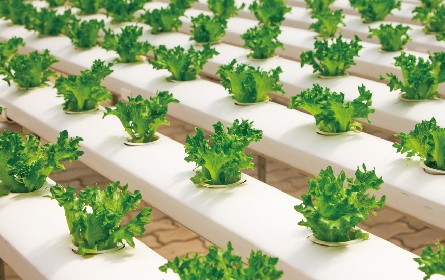
Nowadays, under the influence of rapid population growth, land urbanization, land desertification, and climate change, many agricultural problems have begun to appear. In addition to exacerbating the extinction of precious plants, the food crisis is also closely related to human life. In order to improve these problems, botanists have been working hard for many years to study soilless cultivation methods, such as aseptic cultivation, tissue cultivation, suspension cultivation, and root cultivation. In addition to solving problems and optimizing crop yields, they have also proposed solutions. This planting method is more environmentally friendly, which makes soilless cultivation a hot emerging industry. Currently, the plants and crops grown using soilless cultivation methods are cereals (such as rice), fruits (such as strawberries), vegetables (such as tomatoes), leafy vegetables (such as lettuce), seasonings (such as sweet basil), flower crops (such as Indian Aloe), and forage crops (such as sorghum)[2] .
Along with the development of soilless cultivation technology, the cultivation process has become more and more precise. Operators not only need to cultivate in a sterile environment but also need to configure nutrient solutions with buffers and control the temperature, pH value, and concentration of the nutrient solution during the culture process. In order to further discuss the application and precautions of soilless culture, we have also compiled the following articles
Further reading: Aseptic culture methods and biological buffers
Further reading: Soilless culture system and precautions
Further reading: MES Buffer used in HEMP
Reference:
[1] Hydroponic production of crops: http://dx.doi.org/10.4067/S0718-34292018005000801
[2] Hydroponics as an advanced technique for vegetable production: An overview: https://www.researchgate.net/publication/330080392_Hydroponics_as_an_advanced_technique_for_vegetable_production_An_overview
YOU MIGHT ALSO LIKE
-
Agri-Technology
 MES Buffer used in HEMP
2021.04.12
These years, many countries have approved the industry of HEMP, which brings the market development of HEMP growth....
-
Agri-Technology
 Soilless culture system and the matters needing attention
2021.04.12
The research report shows that the use of soilless cultivation can significantly increase the yield of crops, which may increase the yield by more than tenfold...
-
Agri-Technology
 Aseptic cultivation method and biological buffer
2021.04.12
It usually uses plant callus or cut stems to replicate plant genes, and they can grow and become the new plant with the same gene. So it is also known as in vitro propagation....